
School furniture plays a crucial role in shaping the learning environment and influencing students’ academic performance and well-being. Many schools underestimate the impact of furniture on students’ health, concentration, and productivity. However, with advancements in educational research and ergonomic design, institutions are now recognizing the importance of investing in high-quality school furniture.
This article explores the significance of school furniture, the different types available, factors to consider when choosing furniture, and trends shaping the future of classroom furnishings.
The Role of School Furniture in Learning Environments
1. Enhancing Student Comfort and Posture
Students spend a significant portion of their day seated in classrooms, making it essential to provide ergonomic chairs and desks that support proper posture. Poorly designed furniture can lead to back pain, fatigue, and musculoskeletal disorders, negatively affecting students’ concentration and overall well-being. Ergonomic school furniture promotes good posture, reducing the risk of discomfort and enhancing focus during lessons.
2. Encouraging Engagement and Participation
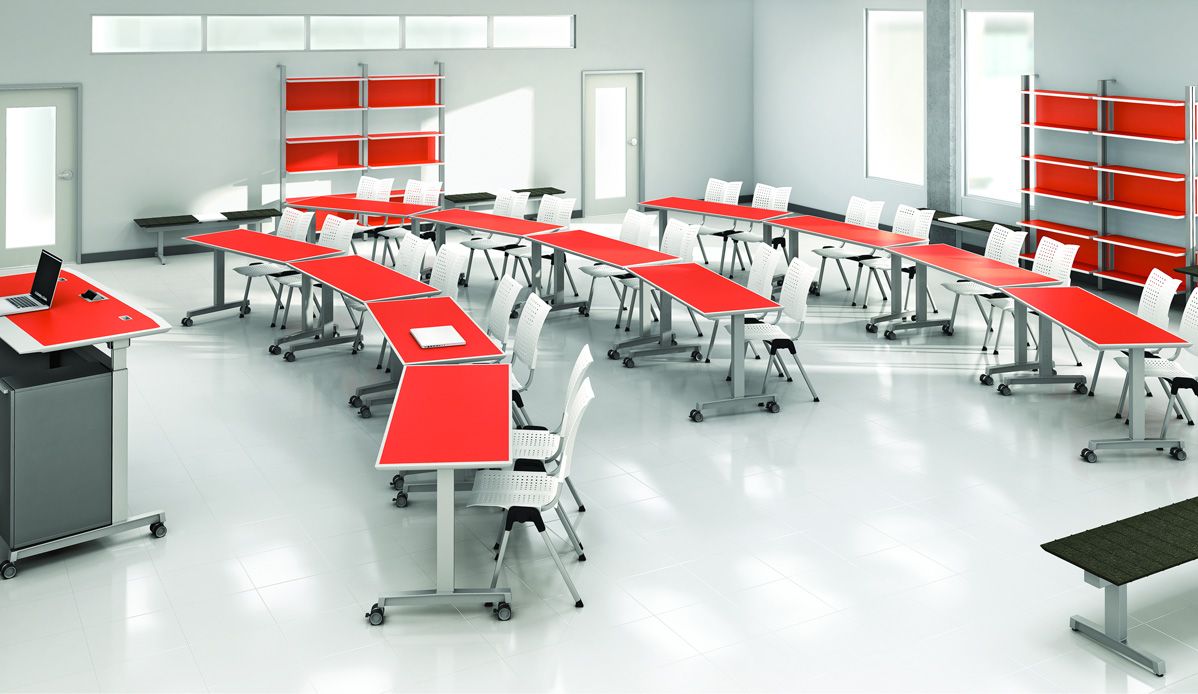
Flexible and adaptable furniture designs allow students to move freely and collaborate effectively. Traditional rigid seating arrangements may hinder active learning, while modern adjustable desks and chairs facilitate group discussions, teamwork, and interactive learning experiences. Adjustable-height desks, standing desks, and modular seating arrangements can help create dynamic learning environments that cater to different teaching methods.
3. Supporting Different Learning Styles
Not all students learn in the same way; some prefer individual learning, while others thrive in group settings. Versatile school furniture accommodates different learning preferences by offering a variety of seating options, including individual desks, collaborative workstations, and lounge-style seating areas. This adaptability helps create inclusive classrooms that support diverse learning styles and encourage student engagement.
4. Enhancing Classroom Organization and Space Utilization
Well-designed school furniture contributes to an organized and clutter-free classroom. Storage-integrated desks, stackable chairs, and mobile shelving units maximize space efficiency and keep learning materials within reach. A tidy and well-structured learning environment reduces distractions, enabling students to focus better on their studies.
Types of School Furniture
1. Classroom Desks and Chairs
Classroom desks and chairs come in various designs to suit different age groups and educational needs. Adjustable-height desks, collaborative tables, and traditional single-student desks are common choices. Chairs should be ergonomically designed to provide lumbar support and encourage proper posture.
2. Teacher’s Desks and Workstations
Teachers require functional workstations equipped with ample storage for lesson materials, books, and teaching aids. Modern teacher desks often feature ergonomic chairs, lockable drawers, and technology integration, such as built-in charging ports for electronic devices.
3. Storage Units
Bookshelves, cubbies, and cabinets help keep classrooms organized by providing designated spaces for books, supplies, and personal belongings. Mobile storage units offer flexibility, allowing teachers to rearrange the classroom layout as needed.
4. Laboratory and Science Furniture
Science laboratories require specialized furniture, such as lab benches, stools, and safety stations. These furniture pieces must be durable, chemical-resistant, and designed to support scientific experiments and hands-on learning.
5. Library and Study Area Furniture
Library furniture includes reading tables, comfortable seating, and bookshelves designed for easy access to educational resources. Study areas often feature quiet cubicles or collaborative seating arrangements to cater to different reading and learning preferences.
6. Cafeteria and Common Area Seating
School cafeterias and common areas require sturdy tables and chairs that can withstand frequent use. Flexible seating arrangements, such as bench seating and high-top tables, create a welcoming atmosphere for students to socialize and enjoy their meals.
7. Outdoor and Recreational Furniture
Outdoor seating, picnic tables, and playground benches provide students with comfortable spaces for relaxation and social interaction during breaks. Durable and weather-resistant materials are essential for outdoor school furniture to ensure longevity.
Factors to Consider When Choosing School Furniture
1. Ergonomics and Comfort
Selecting ergonomic school furniture is crucial for students’ physical health and comfort. Chairs and desks should be adjustable to accommodate different heights and promote proper posture.
2. Durability and Material Quality
School furniture should be made from high-quality materials to withstand daily wear and tear. Wood, metal, and high-grade plastic are commonly used materials known for their durability and longevity.
3. Safety Standards
Furniture should comply with safety regulations to prevent accidents and injuries. Rounded edges, non-toxic finishes, and sturdy construction are essential considerations when selecting school furniture.
4. Flexibility and Mobility
Modular and mobile furniture allows educators to create dynamic learning environments that adapt to different teaching methods. Lightweight and stackable furniture options enhance flexibility and ease of movement.
5. Aesthetic Appeal and Color Psychology
The visual appeal of school furniture impacts students’ mood and learning experience. Bright colors and stimulating designs can create a positive and inspiring atmosphere, while neutral tones promote focus and calmness.
6. Budget and Cost-Effectiveness
While investing in high-quality furniture is important, schools must balance cost considerations. Opting for durable and versatile furniture ensures long-term cost savings by reducing the need for frequent replacements.
Trends in School Furniture Design
1. Smart and Tech-Integrated Furniture
With the rise of digital learning, schools are incorporating smart furniture with built-in charging ports, interactive screens, and Wi-Fi connectivity. Tech-enabled desks and chairs enhance the integration of digital tools in the classroom.
2. Flexible and Collaborative Learning Spaces
Traditional lecture-style classrooms are being replaced by flexible layouts that encourage collaboration and interactive learning. Moveable desks, standing tables, and comfortable seating pods support group activities and personalized learning.
3. Sustainable and Eco-Friendly Furniture
Schools are increasingly opting for environmentally friendly furniture made from recycled materials and sustainable resources. Bamboo, reclaimed wood, and low-emission laminates help reduce the ecological footprint of educational institutions.
4. Adjustable and Multi-Functional Designs
Adjustable-height desks, stackable chairs, and foldable tables allow schools to maximize space utilization and accommodate diverse student needs. Multi-functional furniture supports various teaching methods and activities.
Conclusion
School furniture is more than just classroom essentials; it plays a vital role in shaping students’ learning experiences, health, and academic success. Investing in ergonomic, durable, and flexible furniture enhances comfort, engagement, and classroom organization. As educational institutions continue to evolve, embracing modern trends in school furniture design will contribute to more effective and dynamic learning environments.
By prioritizing quality and innovation in school furniture selection, schools can create spaces that foster creativity, collaboration, and student well-being, ultimately enriching the overall educational experience.